
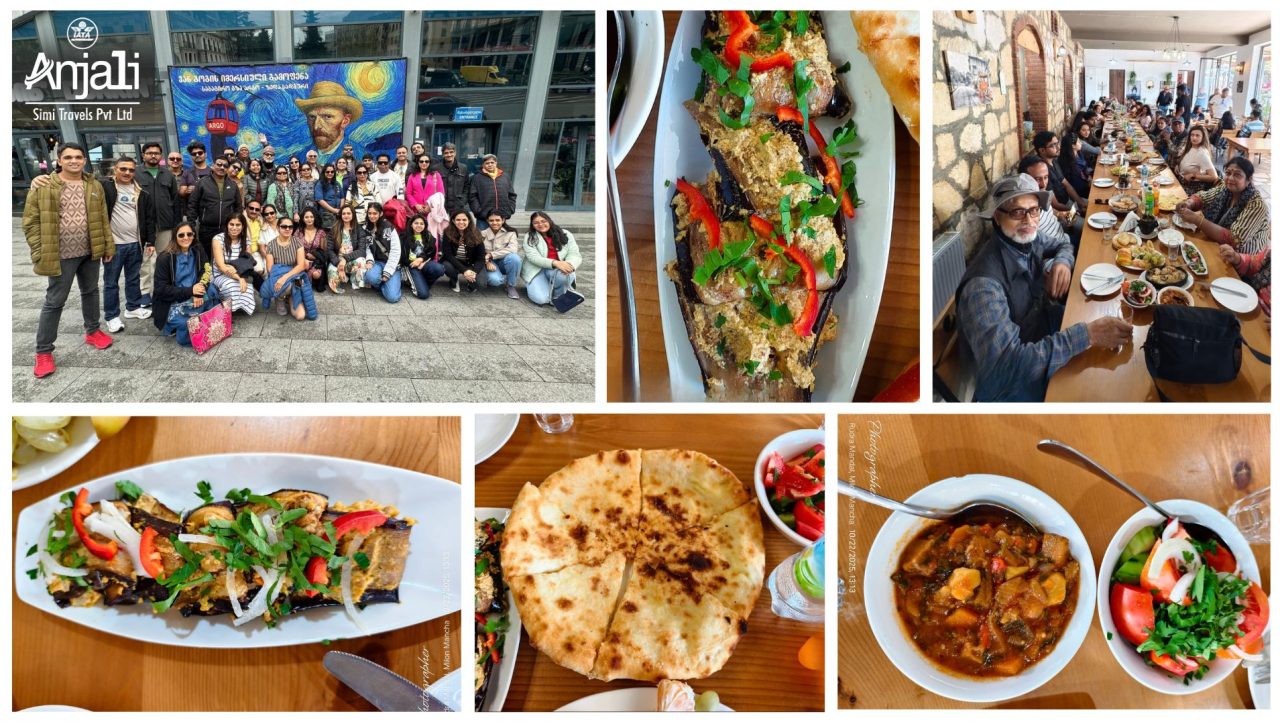
Georgian cuisine tells stories that stretch back thousands of years, where every dish carries the warmth of the mountain valleys and the richness of ancient traditions. This nation in the Caucasus has mastered the art of transforming basic ingredients into delicious meals. As a result, this unites people around tables full of food, wine, and laughter. Georgia is a culinary adventure unlike any other, offering everything from wines fermented in underground clay pots to hot cheese-filled breads straight from clay ovens. The Georgian table, known as supra, turns dining into a celebration where toasts flow as freely as wine and strangers turn into family. For those ready to explore flavours unchanged for centuries, Georgia awaits with open arms and full plates.
A] Why Georgia is a Food Lover's Paradise
One of the oldest culinary cultures of the world exists in Georgia, dating back 8,000 years. It lies at the crossroads of Europe and Asia, and a variety of influences have combined with regional products to create something distinctive. Centuries of cooking techniques passed down through generations still define the Georgian kitchen: clay ovens called ‘tone’ bake bread to perfection, while bronze pans called ‘tapas’ sizzle with meat and vegetables, making it home to some of Georgia’s famous food the world celebrates today.
Additionally, some of these ingredients make food in Georgia unique: walnuts in every possible dish from sauces to desserts, blue fenugreek with a special aroma, and marigold petals instead of the expensive saffron. Food here is deeply cultural, especially in supra feasts when the tamada (toastmaster) guides elaborate celebrations. Georgia’s tradition of making wine in special qvevri clay vessels gained UNESCO recognition as well, setting the country’s name in culinary history. Moreover, its culinary culture blends seamlessly with Georgia’s tourist attractions, from ancient monasteries to mountain villages.
B] Must-Try Georgian Dishes
Let’s look at some of the dishes that represent the culinary soul of Georgia, making each one worth the journey.
1. Khachapuri:
In the national and comfort food of Georgia, a cheese-filled bread, the Adjarian version arrives boat-shaped with butter and egg yolk melting into molten cheese, a breakfast that spoils you for an ordinary morning.
2. Khinkali:
These soup dumplings require a technique to eat them: hold them by the twisted top, called the “Kudi” or “hat”, bite carefully and sip the broth inside, then devour the rest. Traditional fillings include spiced meat, though mushroom and potato versions satisfy people looking for vegetarian Georgian food beautifully.
3. Satsivi:
The word “satsivi” itself literally translates to “cold dish” in Georgian. In it, cold chicken is draped in a creamy garlic walnut sauce that appears in almost every celebration, especially during New Year feasts. The sauce, including garlic, ground walnuts, and spices, deserves its legendary status alone.
4. Mtsvadi:
Skewers of Georgian grilled meat, marinated with onions and spices, evoke the joy of dining outside. Grilled over embers of grapevine, the meat itself fills the air with irresistible smells of smoke at each bite – a celebration of tradition and flavour.
5. Lobio:
This hearty red bean stew comes thickened with walnuts and flavoured with blue fenugreek, arriving in traditional clay pots with cornbread called mchadi. It’s Georgian comfort food at its finest.
6. Pkhali:
Georgia has some traditions of vegetarianism in the form of vegetable pates: spinach, beets, or eggplant with walnuts and spices. These vibrant appetisers are reflective of Orthodox fasting customs that led to the development of ingenious meatless items.
7. Badrijani Nigvzit:
Fried eggplant rolled with spiced walnut paste and fresh herbs exude elegance in the simplest form, an example of how Georgian cooks elevate the humblest vegetables into celebratory dishes.
8. Chakapuli:
Spring lamb cooked with tarragon, plums, and white wine displays sophisticated seasonal cookery. It appears when fresh tarragon fills markets and young lambs graze mountain pastures.
9. Sauces:
Adjika is a spicy paste of peppers, garlic, and spices; tkemali is the sour plum sauce that accompanies most meals. Sauces really define Georgian flavours and add depth and brightness to all that they touch.
Due to traditional fasting, which calls for meat-free meals about 200 days of the year, Georgian cuisine embraces vegetarians with open arms. This created an entire vegetarian repertoire using beans, vegetables, nuts, and grains in creative combinations to satisfy even devoted carnivores.
C] Hidden Culinary Gems & Regional Specialities
Aside from the well-known meals, there are still hidden gems in the region.
1. Ajapsandali is a vegetable stew from eastern Georgia, with eggplant, peppers, tomatoes, and herbs coming together for summer comfort.
2. Megruli Khachapuri: Samegrelo region; rich cheese bread filled with cheese inside and outside.
3. Georgian breads deserve a mention here:
- Shoti puri – baked in ‘tone’ ovens with a sword-like shape – perfect for scooping stews.
- Imeruli Khachapuri (Imereti) – A more straightforward but perfect bread filled with cheese
4. Every region safeguards its specialities:
- Adjara – coastal fish dishes reflect its Black Sea heritage.
- Svaneti – an ancient mountain region with unique, local herbs.
- Tbilisi – restaurants fusing traditional and modern cuisine.
- Samegrelo – famous for its spicy dishes.
D] Top Wine Tours in Georgia
Georgia takes pride in being known as the “cradle of winemaking” because of archaeological evidence dating back 8,000 years. This distinctive qvevri method, where wines ferment in clay vessels buried underground, creates unique wines nowhere else in the world.
1. Kakheti Region:
Wine heartland located east of Tbilisi; historic wineries and family cellars open to visitors. Georgia’s famous places, such as Sighnaghi and Telavi, offer unlimited wine tastings against the backdrop of vineyard-blanketed hillsides.
2. Kartli Region:
The wine route of Central Georgia includes ancient monasteries and small family producers who make the best Georgian wine using methods passed down through generations.
3. Imereti Region:
The wine culture of western Georgia feels more intimate, with small producers practising organic viticulture and qvevri fermentation at home cellars.
Wine tours range from day trips visiting multiple wineries to multi-day immersions staying at wine estates. Seek out those tours that specifically mention qvevri cellars and meals paired with local wines.
Find the most reputable local operators, as they are in contact with family wineries to ensure real hospitality, rather than a visit to some tourist factory. You can also explore vineyard experiences with a Georgia tour package from Mumbai that includes curated wine trails and authentic local stays.
E] Tips for Food & Wine Travellers
- Come during harvest time in September-October for the Rtveli grape harvest festivals and optimal wine tastings.
- The spring season, with fresh ingredients and pleasant weather, falls in the months of April and May.
- Wander the bazaars, such as Tbilisi’s Dezerter Bazaar for ingredients and prepared foods, Dry Bridge Market for vintage qvevri vessels.
- Supra etiquette: respect the tamada toasts; never refuse wine when toasted to; and pace yourself, as Georgian hospitality means refills until the bottle is gone.
- Join a food walking tour in Tbilisi, a cooking class to learn khachapuri, or khinkali.
- For smooth planning and local insights, connect with a trusted travel agency in Mumbai to customise your Georgian adventure.
Conclusion
Georgian cuisine offers more than meals – it offers belonging. Every dish carries centuries of tradition, every wine tells stories of harvests past, and every table welcomes strangers as honoured guests. From the cheese bread pulled apart with eager hands to clay-fermented wines, which flow from the jugs into horn-shaped vessels, Georgia feeds body and spirit.
The real magic happens not just in restaurants but in kitchens where grandmothers knead dough using their mothers’ techniques and in cellars where winemakers check on qvevri, according to age-old rhythms.
If you love culinary travel, also check out food and adventure in Baku, Georgia, a neighbouring journey blending flavours and landscapes as rich as Georgia’s. Arrive hungry and leave transformed with Georgia’s unique flavours in your memories. For more travel stories or travel packages, don’t hesitate to contact us.
Ready to taste the flavours of Georgia? Let us plan your perfect food and wine adventure today.
FAQs
What is the famous food in Georgia?
Khachapuri (cheese bread) stands as one of the most famous dishes and the national symbol of Georgian cuisine. Khinkali dumplings and satsivi chicken in walnut sauce also enjoy legendary status throughout the country.
What do Georgians eat for breakfast?
Traditional Georgian breakfast includes khachapuri with cheese and egg, lobiani (bean-filled bread), Georgian yoghurt called matsoni, fresh cheese, honey, and strong tea. Many enjoy leftovers from the previous evening’s feast.
What is the signature dish of Georgia?
Khachapuri is Georgia’s signature dish and national treasure. The Adjarian version, boat-shaped bread filled with cheese, butter, and egg, represents Georgian cuisine to the world.
Is Georgian food vegetarian-friendly?
Yes. Orthodox fasting traditions created an extensive vegetarian repertoire, including pkhali vegetable patés, lobio bean stew, ajapsandali vegetable stew, badrijani eggplant rolls, and numerous salads and bread varieties.
What is the national snack of Georgians?
Churchkhela walnuts, threaded on a string and dipped repeatedly in grape juice concentrate, serve as Georgia’s traditional snack. These candle-shaped sweets appear at markets and celebrations throughout the country.
Which wine regions in Georgia should I visit?
The Kakheti region offers the most extensive wine tourism infrastructure. The Kartli and Imereti regions provide more intimate experiences with family wineries. Each region showcases unique grape varieties and winemaking styles.
What are the best places in Georgia to taste authentic Georgian food?
Tbilisi’s Sakhlis Restorani and Shavi Lomi offer authentic experiences. Regional restaurants in Mtskheta, Sighnaghi, and Batumi showcase local specialities. For more such places, you can visit Anjali Travels, a well-known travel agency in Mumbai.
Are Georgian wines strong/sweet/red or white?
Georgian wines vary widely. Traditional qvevri wines often taste tannic and complex. Georgia produces both red and white wines, including unique amber wines (white grapes fermented with skins). Sweetness levels range from bone-dry to dessert-sweet.